
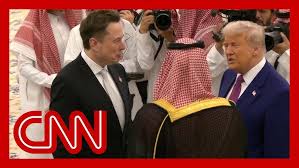

What Saudi Arabia Gains
- $142 Billion in U.S. Weapons: Advanced missiles, jets, defense systems.
- High-Tech Upgrades: Border security, military training, communication systems.
- Big U.S. Company Partnerships: Building airports, parks, and futuristic cities.
- Tech Investments: AI, data centers, and cutting edge tech with Google and Oracle.
- Cultural Influence: Partnerships with NASA and U.S. museums for space and cultural projects.
What the U.S. Gains
- $600 Billion in Saudi Investments: Money flowing into U.S. industries.
- Job Creation: New projects in healthcare, AI, defense, and energy.
- Major Export Deals: Billions in Boeing planes and GE energy products sold.
- Defense Industry Boost: Huge profits for U.S. weapons manufacturers.
- Stronger Ties in the Middle East: Keeps America influential in Saudi affairs.
Potential Complications for the U.S.
- Overreliance on Foreign Investment
- Heavy Saudi investments in U.S. sectors like AI, energy, and healthcare could lead to undue foreign influence over critical industries.
- National Security Risks
- Selling advanced military technology, including drones and missile systems, might compromise U.S. security if geopolitical alliances shift.
- Ethical and Human Rights Concerns
- Deepening ties with Saudi Arabia may draw criticism due to the kingdom’s human rights record, potentially leading to domestic and international backlash.
- Potential Conflicts of Interest
- Simultaneous business dealings by U.S. political figures and their families in the region raise ethical questions about the influence of personal interests on national policy. AP News
- Nuclear Proliferation Concerns
- Discussions about U.S. assistance in developing Saudi Arabia’s civilian nuclear program, including uranium enrichment, could heighten proliferation risks in the Middle East. Time+2AP News+2Noticias de Israel+2
- Uncertainty of Investment Fulfillment
- Past experiences show that not all pledged investments materialize, casting doubt on the actual economic benefits of the deal. Axios
- Regional Geopolitical Tensions
- Strengthening Saudi-U.S. ties might exacerbate tensions with Iran and complicate the U.S.’s position in Middle Eastern conflicts.
_______________________________________________________________________________________________________________
🤖 Key AI Components of the Deal
1. Establishment of Humain
Saudi Arabia launched Humain, a state-backed AI company under the Public Investment Fund (PIF), to spearhead its AI initiatives. Humain has secured partnerships with major U.S. tech firms:
- Nvidia: Supplying at least 18,000 Blackwell GPUs to power AI data centers.
- AMD: Investing $10 billion in joint AI infrastructure projects.
- Qualcomm: Collaborating on the development of central processor data centers.
Wikipedia+5Wikipedia+5Reuters+5Reuters+1Wikipedia+1
2. DataVolt’s $20 Billion Investment
Saudi company DataVolt plans to invest $20 billion in AI data centers and energy infrastructure within the U.S., aiming to enhance AI processing capabilities and support energy needs. Rest of World
3. $80 Billion in Transformative Tech Investments
U.S. companies, including Google, Oracle, Salesforce, AMD, and Uber, are committing to invest $80 billion in transformative technologies across both countries, focusing on AI, cloud computing, and other advanced tech sectors. Reuters
📈 Benefits for Both Nations
🇸🇦 Saudi Arabia Gains:
- Technological Advancement: Accelerates the Kingdom’s Vision 2030 goals by reducing reliance on oil and fostering a knowledge-based economy.
- Global AI Hub Ambitions: Positions Saudi Arabia as a leading player in AI infrastructure and services.
- Economic Diversification: Stimulates job creation and innovation in emerging tech sectors.Bombay SoftwaresWIRED+2Wikipedia+2Reuters+2
🇺🇸 United States Gains:
- Economic Boost: Receives substantial foreign investment, enhancing domestic tech industries.
- Job Creation: Development of AI data centers and infrastructure projects generates employment opportunities.
- Strategic Partnerships: Strengthens ties with a key Middle Eastern ally, potentially countering global competitors in the tech arena.
Category: 🔥 Justice & Society